
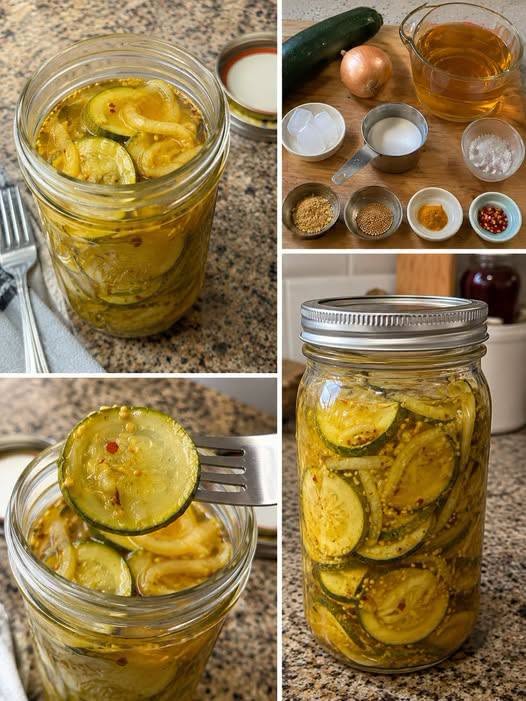
Anti-Inflammatory Refrigerator Zucchini Pickles
August 13, 2026
Anti-Inflammatory Zucchini Pickles – Easy & Crunchy!
Table of Contents
Description
These crunchy refrigerator zucchini pickles are tangy, easy to make, and packed with fresh herbs and spices for a delicious healthy snack.
Introduction
If you have extra zucchini sitting in your refrigerator, don’t let it go to waste! These Anti-Inflammatory Refrigerator Zucchini Pickles are an easy and delicious way to turn fresh zucchini into a crunchy, tangy snack that you can enjoy throughout the week.
Unlike traditional canning recipes, refrigerator pickles are wonderfully simple. There is no pressure canner or complicated preservation process required. You simply slice the zucchini, prepare a flavorful vinegar brine, combine everything in a clean jar, and let the refrigerator do the rest.
The result is crisp zucchini with a bright, slightly sour flavor balanced by garlic, fresh herbs, and warming spices. They’re perfect alongside sandwiches, burgers, grilled chicken, or a simple salad.
This easy healthy recipe is naturally low in calories and carbohydrates, making it a great option for people looking for low-carb, keto-friendly, and vegetable-forward snacks. While individual ingredients are commonly included in anti-inflammatory-style eating patterns, no single food can treat or prevent inflammation.
Best of all, these pickles get even more flavorful as they sit. Make a jar today and you’ll have a colorful, crunchy addition to meals all week. 🥒✨
Recipe Stat Sheet
Recipe Detail Information
Recipe Name Anti-Inflammatory Refrigerator Zucchini Pickles
Category Pickles / Snack / Side Dish
Cuisine American-Inspired
Prep Time 15 minutes
Cook Time 5 minutes
Chill Time 24 hours
Total Time About 24 hours 20 minutes
Servings About 8
Difficulty Easy
Diet Style Low-Carb / Keto-Friendly
Main Ingredient Fresh Zucchini
Storage Method Refrigerator
Recipe Equipment
You don’t need special canning equipment for this refrigerator pickle recipe. A few basic kitchen tools are enough:
1 large glass jar with a tight-fitting lid, preferably 1 quart
Sharp knife for slicing the zucchini
Cutting board for preparing vegetables
Small saucepan for heating the brine
Measuring cups and spoons for accurate ingredients
Vegetable peeler, optional, for making zucchini ribbons
Clean spoon or tongs for packing the zucchini into the jar
Related: Keto Chicken Noodle Soup – Cozy, Low-Carb Comfort in a Bowl
Always start with a clean jar and clean utensils. These are refrigerator pickles, not shelf-stable canned pickles, so they must remain refrigerated.
Ingredients
For the Zucchini
2 medium zucchini, about 1 pound total
1/2 small red onion, thinly sliced
3 cloves garlic, thinly sliced
2 tablespoons fresh dill, chopped
1 tablespoon fresh parsley, chopped
1/2 teaspoon crushed red pepper flakes, optional
For the Brine
1 cup apple cider vinegar
1 cup water
1 tablespoon extra-virgin olive oil
1 teaspoon sea salt
1 teaspoon black peppercorns
1 teaspoon mustard seeds
1/2 teaspoon ground turmeric
1 teaspoon fresh grated ginger
1 teaspoon sugar or keto-friendly sweetener, optional
Ingredient Notes
Zucchini provides the crisp, fresh base for these pickles. Choose firm zucchini with smooth skin and avoid overly large zucchini because they can contain more seeds and moisture.
Apple cider vinegar gives the brine a bright, fruity tang. You can substitute white vinegar if you prefer a sharper traditional pickle flavor.
Fresh ginger, garlic, turmeric, herbs, and extra-virgin olive oil add plenty of flavor and are commonly used in anti-inflammatory-style eating patterns. They make the pickles taste vibrant without requiring a heavy amount of salt or sugar.
If you’re following a strict keto diet, use a suitable zero- or very-low-carb sweetener instead of regular sugar, or leave the sweetener out completely.
Step-by-Step Instructions
Step 1: Slice the Zucchini
Wash and dry the zucchini thoroughly.
Slice it into thin rounds, approximately 1/8 to 1/4 inch thick. You can also cut the zucchini into sticks if you prefer a pickle spear shape.
Thin slices absorb the flavorful brine more quickly while still maintaining a pleasant crunch.
Related: KETO CHEESECAKES FOR SWEET – Creamy Low-Carb Dessert Bliss
Step 2: Prepare the Vegetables
Thinly slice the red onion and garlic.
Add the zucchini, onion, garlic, dill, parsley, and optional red pepper flakes to a large bowl. Toss gently so the ingredients are evenly distributed.
Step 3: Make the Pickling Brine
Add the apple cider vinegar, water, salt, peppercorns, mustard seeds, turmeric, ginger, and optional sweetener to a small saucepan.
Warm over medium heat until the mixture is hot and the salt has dissolved. You don’t need to bring it to a vigorous boil.
Remove the saucepan from the heat and allow the brine to cool slightly.
Step 4: Fill the Jar
Pack the zucchini mixture into a clean quart-size glass jar.
Don’t crush the vegetables together too tightly. Leave a little space so the brine can move around the zucchini.
Step 5: Add the Brine
Pour the warm brine over the vegetables until they are completely covered.
Add the olive oil and gently press the vegetables below the liquid using a clean spoon.
Allow the jar to cool to room temperature briefly, then secure the lid.
Step 6: Refrigerate
Place the jar in the refrigerator.
For the best flavor, allow the zucchini to pickle for at least 24 hours before eating. The flavor will continue developing as the vegetables sit.
For the crunchiest texture, keep the zucchini cold and avoid leaving the jar sitting at room temperature.
Pro Tips & Variations
For extra-crispy pickles, choose small, firm zucchini and slice them evenly. You can add thin cucumber slices for a mixed vegetable pickle or include a few jalapeño slices for extra heat. Fresh dill gives the brightest flavor, but dried dill works in a pinch. For a sweeter pickle, add a small amount of keto-friendly sweetener. If you prefer a sharper taste, replace part of the apple cider vinegar with white vinegar. Always keep the finished pickles refrigerated and use clean utensils when serving. Don’t treat this recipe as shelf-stable canned food; it is specifically designed for refrigerator storage.
