
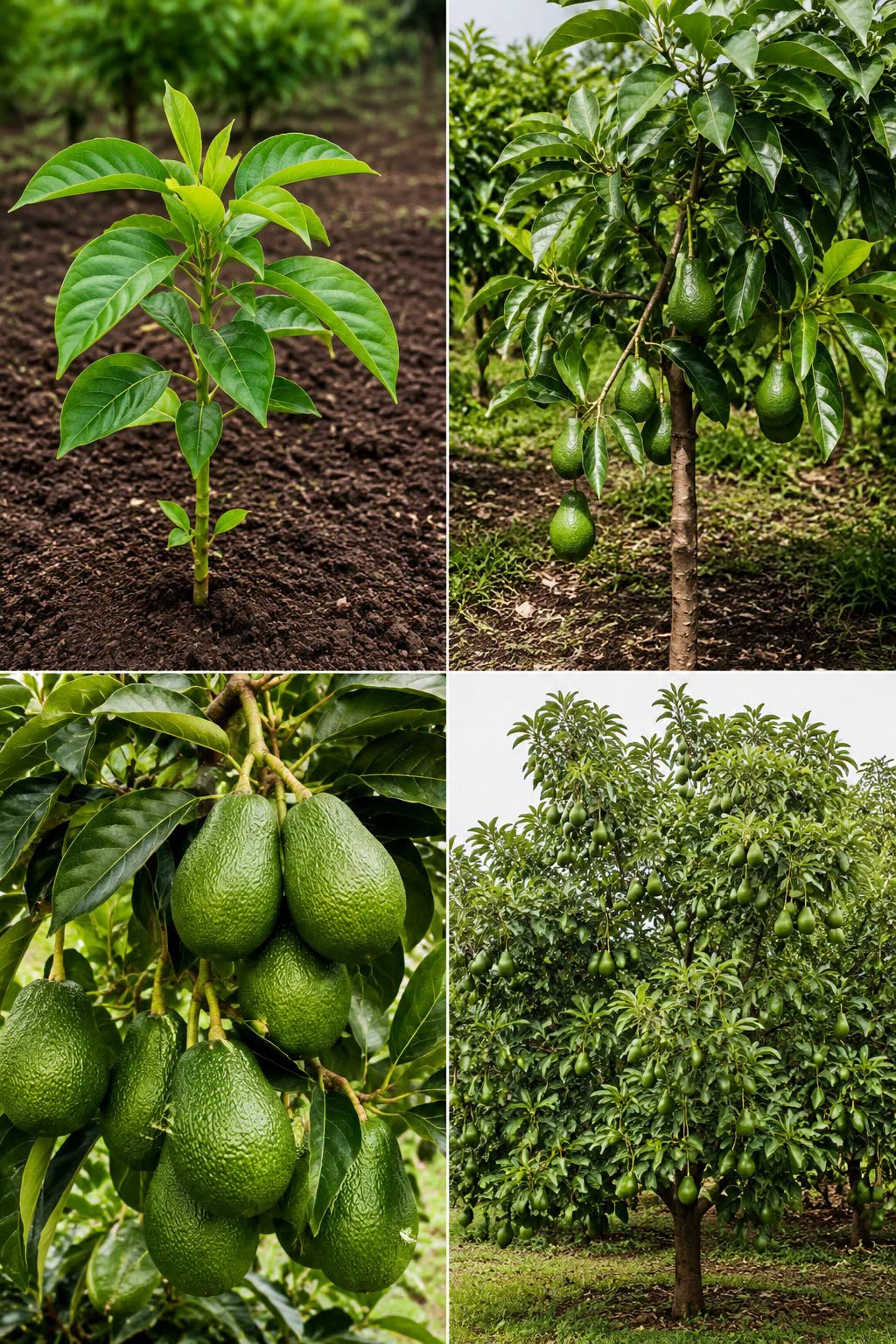
Growing an avocado tree from a cutting is a rewarding gardening project that allows you to cultivate your own fresh, creamy avocados right at home. While propagating avocado trees can be more challenging than some other fruit trees due to their sensitivity to rot and slow root development, it is entirely possible with the right technique, patience, and care. This comprehensive guide will walk you through the process step by step, ensuring your cutting has the best chance of developing into a thriving tree.
Why Grow Avocado Trees from Cuttings?
Avocado trees grown from cuttings have several advantages over seed-grown trees. While seed-grown avocados can take many years to bear fruit and may not produce true-to-type fruit, cuttings are clones of the parent tree. This means the new plant will have the same fruit quality, flavor, and characteristics as the original tree. Additionally, cuttings allow you to establish a tree faster than waiting for a seed to germinate and grow.
Although propagation from cuttings requires patience and careful attention, it is a highly satisfying process for both beginner and experienced gardeners.
Selecting the Right Cutting
The success of avocado propagation begins with selecting a healthy cutting. Choose a mature branch from a healthy avocado tree that is free from disease or pests. Ideally, the cutting should be 6–8 inches long and include at least 3–4 healthy leaves.
Semi-hardwood branches—those that are firm but still flexible—tend to root more successfully than very young, soft shoots or older, woody branches. Avoid branches with flowers or fruit, as they divert energy away from root development.
Using Aloe Vera to Boost Root Growth
One effective natural method to promote rooting is to apply aloe vera gel to the base of the cutting. Aloe vera contains natural enzymes, vitamins, and moisture that stimulate root growth and protect the cutting from fungal and bacterial infections. Acting as a natural rooting hormone, aloe vera helps the cutting retain moisture, which is crucial for healthy root development.
Simply coat the bottom two inches of the cutting with fresh aloe vera gel before planting. This natural treatment not only encourages root growth but also reduces the risk of rot during the early stages.
Preparing the Planting Medium
A well-draining planting medium is essential for avocado cuttings, as soggy soil can quickly lead to rot. Cocopeat or a mixture of cocopeat and perlite is an excellent choice because it retains moisture while allowing air to reach developing roots.
Fill a small pot with the planting medium, moisten it lightly, and make a hole about 2–3 inches deep for the cutting. Insert the aloe-coated cutting into the medium, ensuring that the base is firmly surrounded. Press the medium gently around the cutting to hold it upright and stable.
Creating Optimal Conditions
Avocado cuttings are sensitive and require controlled conditions to root successfully. Several factors influence rooting success:
Humidity: Cover the pot with a plastic bag or clear dome to increase humidity. High humidity prevents the cutting from losing water through its leaves before roots can form.
Temperature: Maintain a warm environment, ideally between 70–80°F (21–27°C). Avoid cold drafts, which can slow root growth or cause stress to the cutting.
Light: Provide bright, indirect sunlight. Direct sun can scorch the leaves and dry out the medium too quickly. A well-lit windowsill or shaded greenhouse is ideal.
Watering and Care
Keep the planting medium consistently moist but not waterlogged. Overwatering is one of the most common causes of failure in avocado propagation. Check the moisture level regularly and water sparingly if the medium begins to dry out.
Avoid disturbing the cutting during the rooting period. Roots are delicate and easily damaged if the cutting is moved or removed prematurely. Patience is key—avocado cuttings can take several weeks or even months to develop a strong root system.
Monitoring for Root Development
Signs that the cutting is successfully rooting include new leaf growth and a firm, healthy appearance at the base. While roots may not be immediately visible, careful observation of the cutting’s vitality will indicate progress. If the leaves remain healthy and do not wilt, the roots are likely forming underground.
Repotting the Young Avocado Plant
Once the cutting has developed a strong root system, it is ready to be transplanted into a larger pot. Choose a well-draining potting mix, preferably enriched with organic matter, and handle the roots carefully during planting. Avoid compressing the soil too tightly around the base, and water lightly after transplanting.
Place the newly potted avocado plant in a location with bright, indirect sunlight and gradually acclimate it to more direct light as it grows. Regular monitoring and care will ensure that the young plant continues to thrive.
Tips for Success
Always use clean, sharp tools when making cuts to reduce the risk of disease.
Maintain adequate humidity, especially in the early stages of rooting.
Avoid overwatering to prevent rot.
Be patient—avocado cuttings may take multiple weeks or months to establish roots.
Repeat the process if necessary, as propagation success can vary depending on environmental conditions and cutting health.
Conclusion
Propagating an avocado tree from cuttings is a rewarding way to grow a new plant that produces fruit identical to the parent tree. With proper selection, careful preparation, and the right conditions, even beginners can successfully cultivate a healthy avocado tree at home. By following these step-by-step guidelines and incorporating natural aids like aloe vera, gardeners can enjoy the satisfaction of seeing a cutting transform into a thriving tree that may one day yield delicious, fresh avocados from their own backyard.
This method not only saves time compared to growing from seeds but also provides a unique hands-on gardening experience that demonstrates the wonders of plant propagation. With patience, persistence, and proper care, anyone can enjoy homegrown avocados from a tree started entirely from a cutting.
