
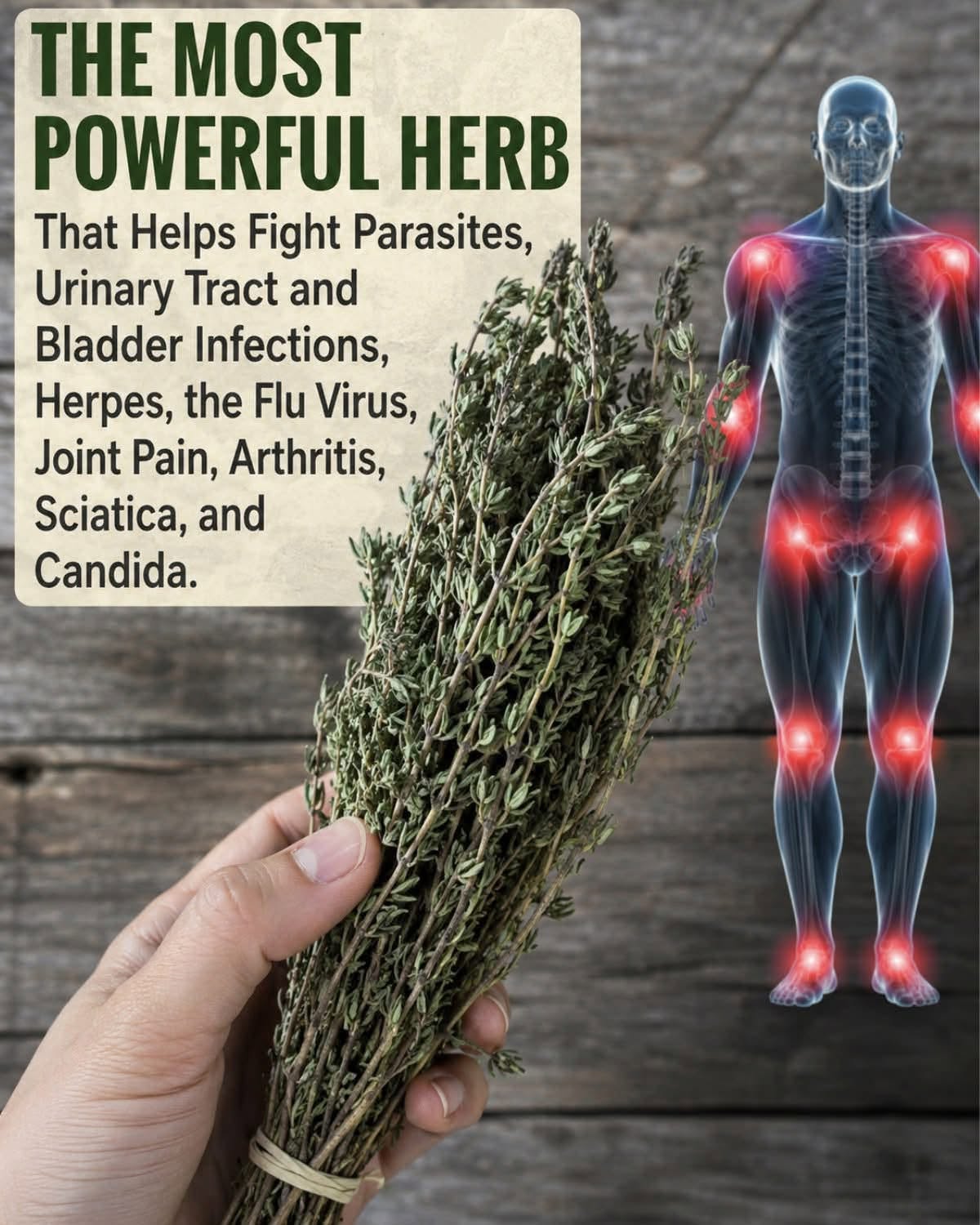
Why Thyme Has Been Valued for Centuries
Thyme (Thymus vulgaris) is one of the most popular culinary herbs in the world, appreciated not only for its distinctive aroma but also for its long history in traditional herbal medicine. Rich in essential oils, antioxidants, and plant compounds, thyme has been used for generations to support respiratory health, digestion, and overall wellness.
Modern research continues to explore the biological activities of thyme, particularly its antimicrobial and anti-inflammatory properties. While it is not a cure for diseases, adding thyme to a balanced diet may contribute to overall health when combined with healthy lifestyle habits.
Nutritional Profile of Thyme
Despite being used in small amounts, thyme contains a variety of beneficial nutrients, including:
Vitamin C
Vitamin A
Vitamin K
Iron
Manganese
Calcium
Potassium
Fiber
Thyme is also rich in plant compounds such as thymol, carvacrol, flavonoids, and rosmarinic acid, which are responsible for many of its potential health benefits.
Rich in Powerful Antioxidants
Oxidative stress contributes to aging and numerous chronic health conditions. Thyme contains antioxidants that help neutralize free radicals and protect cells from damage.
Regular consumption of antioxidant-rich herbs may support:
Healthy aging
Immune function
Heart health
Cellular protection
Overall wellness
Including fresh or dried thyme in everyday meals is an easy way to increase antioxidant intake.
Natural Antimicrobial Properties
One of thyme’s most studied compounds is thymol, a natural essential oil known for its antimicrobial activity.
Laboratory research suggests thymol may help inhibit the growth of certain bacteria, fungi, and other microorganisms. This explains why thyme has historically been used in food preservation and herbal preparations.
However, laboratory findings should not be interpreted as proof that thyme treats infections in humans. Medical evaluation remains essential for bacterial, fungal, or viral illnesses.
May Support Urinary Tract Health
Traditional herbal medicine has occasionally used thyme as part of herbal blends intended to support urinary tract health.
Its antimicrobial compounds have prompted researchers to investigate its possible role in promoting urinary wellness. Nevertheless, there is currently insufficient clinical evidence to recommend thyme as a treatment for urinary tract infections.
Anyone experiencing symptoms such as painful urination, fever, or blood in the urine should seek medical care promptly.
Potential Benefits for Joint Comfort
Inflammation plays a role in many types of joint discomfort.
Thyme contains natural anti-inflammatory compounds that may help support a healthy inflammatory response. Combined with a nutrient-rich diet, regular exercise, and maintaining a healthy weight, thyme may contribute to overall joint wellness.
Although promising, thyme should not replace prescribed treatments for arthritis or chronic joint diseases.
Supports Immune Function
The vitamins, antioxidants, and phytochemicals found in thyme may help support normal immune function.
Healthy immune support includes:
Eating a balanced diet
Getting enough sleep
Regular physical activity
Managing stress
Consuming antioxidant-rich foods and herbs like thyme
While thyme contributes beneficial nutrients, it cannot prevent or cure viral infections on its own.
May Promote Respiratory Health
Thyme has traditionally been used to support respiratory comfort.
Herbal teas containing thyme are commonly consumed during seasonal illnesses to soothe the throat and promote comfort.
Some research suggests thyme extracts may help loosen mucus and support normal airway function, although more high-quality human studies are needed.
Digestive Wellness
Thyme has long been used to promote healthy digestion.
It may help:
Stimulate digestive secretions
Reduce occasional bloating
Support healthy gut function
Improve flavor while reducing the need for excess salt
Including thyme in meals offers both culinary and nutritional advantages.
May Support Skin Health
The antioxidants and essential oils found in thyme have made it a popular ingredient in skincare products.
Research is exploring its potential role in supporting healthy skin by helping reduce oxidative stress and limiting the growth of certain microorganisms on the skin’s surface.
Because thyme essential oil is highly concentrated, it should never be applied directly to the skin without proper dilution.
Easy Ways to Enjoy Thyme
Adding thyme to your daily routine is simple.
Popular options include:
Fresh thyme in salads
Roasted vegetables
Chicken and fish dishes
Homemade soups
Herbal teas
Tomato sauces
Marinades
Stews
Fresh and dried thyme both retain many of their beneficial compounds.
Precautions
Although thyme is generally considered safe as a culinary herb, some individuals should exercise caution.
Consult a healthcare professional before using medicinal amounts of thyme if you:
Are pregnant or breastfeeding
Have allergies to plants in the mint family
Take blood-thinning medications
Have scheduled surgery
Plan to use concentrated thyme essential oil internally
Essential oils should always be used according to professional guidance.
Final Thoughts
Thyme is far more than a flavorful kitchen herb. Its impressive nutritional profile, antioxidant content, and naturally occurring plant compounds make it a valuable addition to a healthy diet. Research suggests it may support immune function, digestive wellness, respiratory comfort, and overall health, while ongoing studies continue to investigate its antimicrobial and anti-inflammatory properties.
However, claims that thyme alone can cure parasites, urinary tract infections, herpes, influenza, arthritis, sciatica, or Candida are not supported by strong clinical evidence. Instead, thyme should be viewed as a nutritious herb that complements a balanced lifestyle rather than replacing professional medical treatment.
Incorporating thyme into everyday meals is a simple, delicious way to enjoy its flavor while benefiting from its naturally occurring nutrients and protective plant compounds.
